
The session «The Polar Dimension of Contemporary World Politics: New Trends» held as part of the 10th International Nevsky Forum, which brought together hundreds of participants from 15 countries: representatives from the academic community, government bodies, and expert organizations.
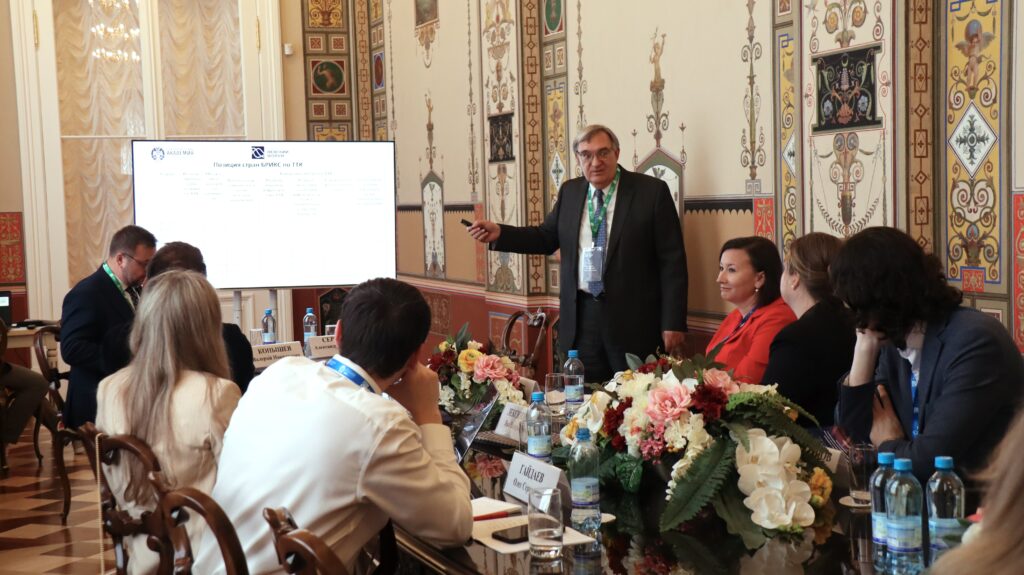
In the current landscape, the Arctic remains a key region where economic, security, and international cooperation issues intersect. For Russia, it is crucial not only to develop transport and industrial infrastructure but also to ensure scientific and expert support for these processes. It is precisely this approach that enables the making of well-considered decisions that serve the country’s long-term national interests.
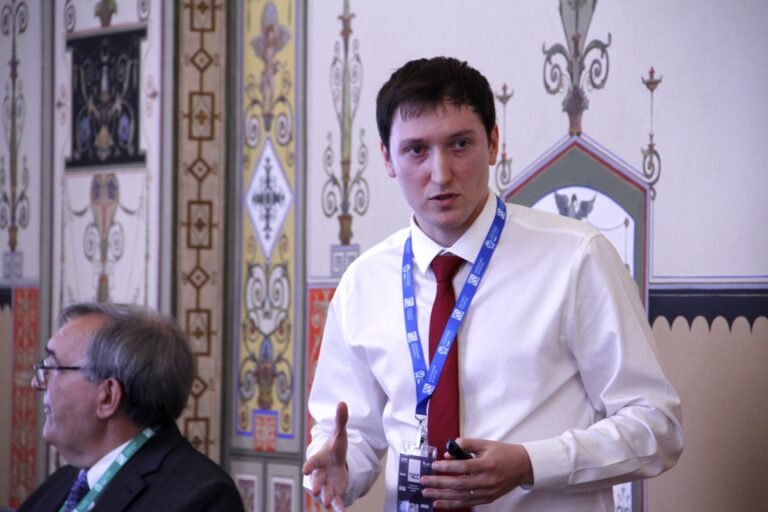
Alexander Sergunin, Director of the Center for Arctic Research and Projects, RANEPA St. Petersburg
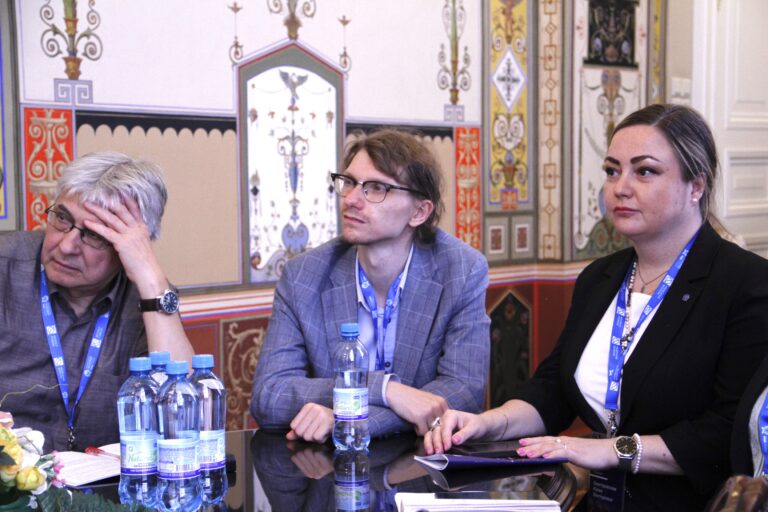
A dedicated part of the discussion was focused on international scientific cooperation. Participants noted that science diplomacy remains significant even amidst geopolitical tensions and continues to serve as an effective tool for maintaining professional dialogue. According to experts, interest among BRICS nations in joint Arctic research has grown markedly in recent years, with the United Arab Emirates, Indonesia, and Iran showing the keenest interest.
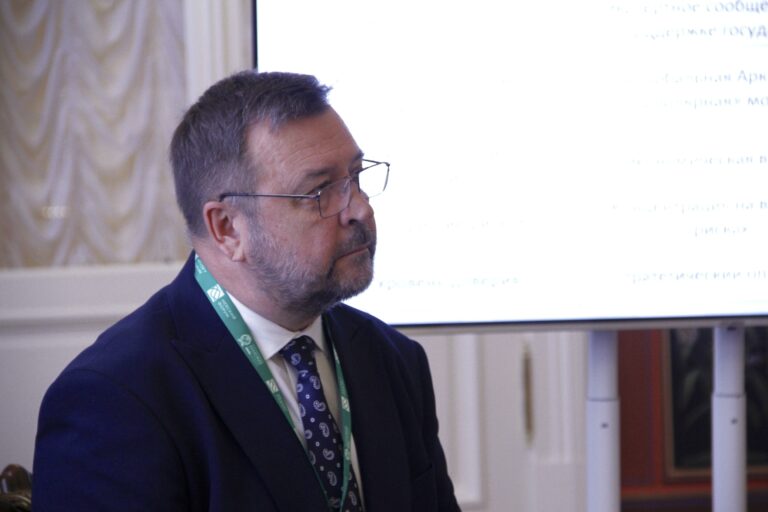
The state currently faces a complex task: to provide a financial-economic, legal, and organizational rationale for the development of the Trans-Arctic Transport Corridor. At the same time, the project itself must be built on principles of multimodality—which inevitably entails developing adjacent territories, establishing a stable cargo base, and creating clear, transparent rules for prospective foreign partners,»
Valery Konyshev, Head of the Chair of Comparative Political Studies, RANEPA St. Petersburg
In summarizing the session, experts emphasized that the polar dimension of global politics remains a crucial area of Russia’s domestic and foreign policy for the foreseeable future. The key conditions reached by the experts feature not only large-scale infrastructure modernization but also the consistent promotion of the Russian project concept globally, the strengthening of scientific diplomacy tools, and a comprehensive approach to ensuring the transport route security.